
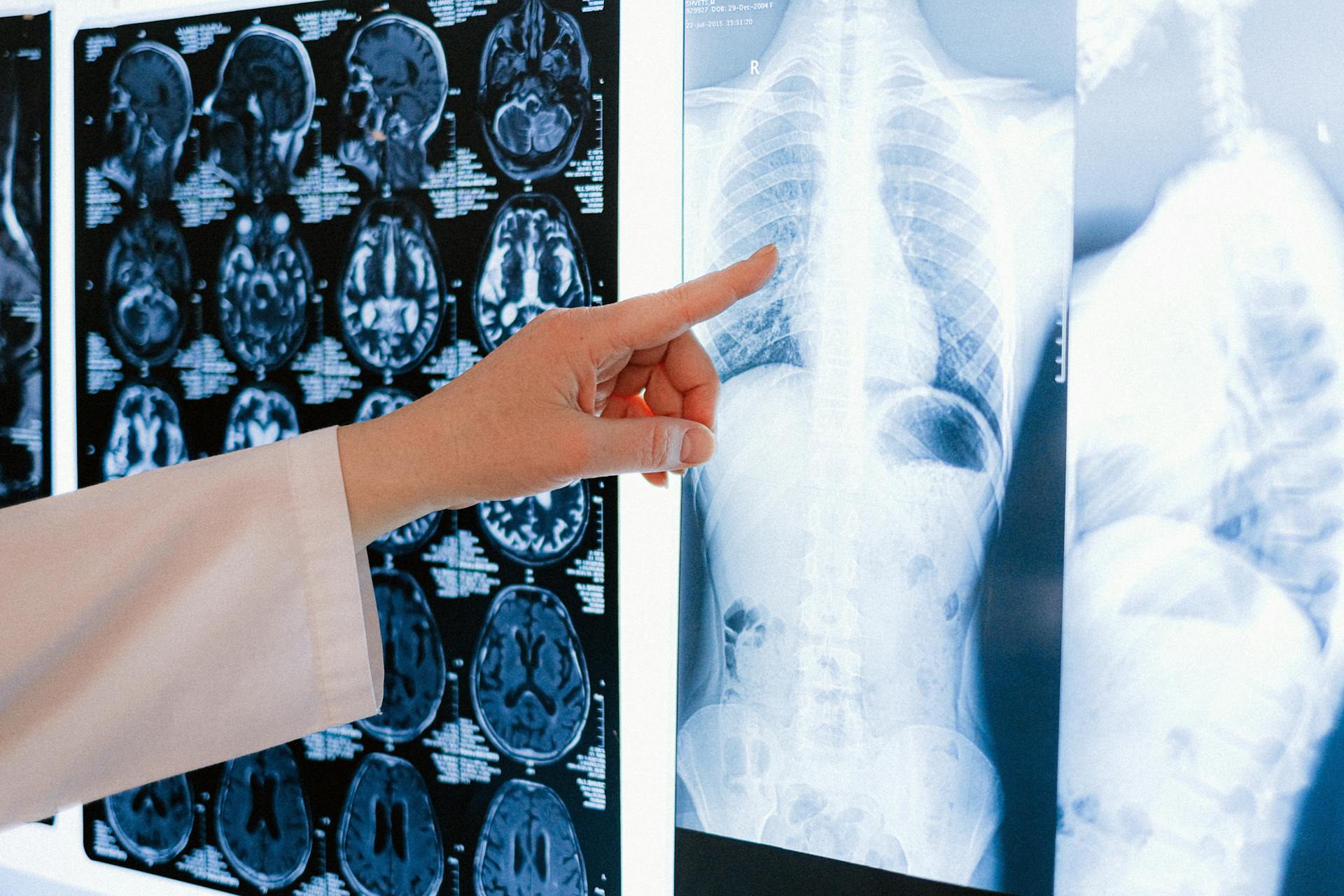
Osteoporosis and bone loss are often associated with aging. For many individuals, declining bone density is strongly influenced by underlying medical conditions, medications, and systemic health factors. This form of bone loss is often referred to as secondary osteoporosis. It also develops quietly and progresses long before a fracture occurs.
At BioStrong, we work with many Calgarians who are surprised to learn that their chronic health condition or long-term medication use may be contributing to weakening bones. Understanding these connections allows for earlier screening and proactive bone-strengthening strategies.
Bone is a living tissue that adapts to the demands placed upon it. Healthy bone relies on a balance between breakdown (resorption) and rebuilding (formation). Medical conditions can disrupt this balance through hormonal changes, chronic inflammation, impaired nutrient absorption, or reduced mechanical loading on the skeleton.
Hormones play a critical role in bone metabolism. Conditions such as hyperthyroidism or excessive thyroid hormone replacement accelerate bone turnover, leading to net bone loss. Hyperparathyroidism increases parathyroid hormone levels, causing calcium to be pulled from bones into the bloodstream. Low estrogen or testosterone can be seen in early menopause, surgical menopause, or hypogonadism, which significantly reduces bone formation and increases fracture risk.
Chronic inflammatory conditions such as rheumatoid arthritis, lupus, and ankylosing spondylitis are linked to reduced bone density. Inflammation itself increases bone resorption. Also, pain, stiffness, and reduced activity further limit the mechanical stimulus bones need to stay strong. Many individuals with autoimmune disease are also prescribed corticosteroids, compounding the risk.
Conditions that impair nutrient absorption, such as celiac disease, Crohn’s disease, ulcerative colitis, or a history of bariatric surgery, can result in inadequate absorption of calcium, vitamin D, and protein. Over time, this silent deficiency weakens bone structure, even in younger individuals.
The kidneys and liver play a central role in regulating calcium, phosphate, and vitamin D metabolism. Chronic kidney disease can lead to renal osteodystrophy, while liver disease impairs vitamin D activation, both contributing to decreased bone mineral density and higher fracture risk.
Bones need regular weight-bearing and muscle loading to maintain strength. Conditions such as stroke, multiple sclerosis, spinal cord injury, Parkinson’s disease, or prolonged immobility reduce skeletal loading. The result is rapid bone loss, particularly in the hips and spine.
Both type 1 and type 2 diabetes are associated with increased fracture risk. In diabetes, bone quality may be compromised even when bone density appears normal. Poor circulation, nerve damage, and impaired bone remodeling all contribute to skeletal fragility.
Chronic obstructive pulmonary disease (COPD) and severe asthma are associated with bone loss due to systemic inflammation, reduced activity levels, smoking history, and frequent corticosteroid use. Over time, these factors significantly weaken bone integrity.
Excess cortisol, whether produced by the body or introduced through long-term steroid medication, directly suppresses bone formation and increases resorption. Cushing’s syndrome is one of the strongest medical risk factors for rapid bone loss.
Certain blood disorders, including multiple myeloma and other malignancies, directly affect bone through increased bone breakdown and altered marrow function. These conditions often present with bone pain or fractures as early symptoms.
Several commonly prescribed medications are known to contribute to bone loss, including long-term corticosteroids, certain anticonvulsants, hormone-suppressing cancer therapies, proton pump inhibitors, and some immunosuppressive drugs.
You may benefit from bone density testing if you:
At BioStrong, we take a proactive and evidence-informed approach to bone health. We offer radiation-free Echolight REMS bone density scans at our Avenida location, allowing clients to assess bone density safely and comfortably. Our osteogenic loading sessions provide targeted mechanical stimulus to encourage bone adaptation, while osteopathic care supports athletic performance, balance, posture, and overall musculoskeletal resilience. Book your free session today!
Blog
It starts with an initial appointment to discuss your medical history, main health concerns and expectations of BioStrong therapy.
We will help you assess whether a program can help your condition and discuss the details of treatment.
